For more than half a century, the United States treated the protection of habitat as part of protecting endangered wildlife. The Endangered Species Act prohibited killing protected wildlife, and the government interpreted that protection to include severe damage to the habitat needed for feeding, breeding, and shelter. A developer could violate the act by removing a nesting tree if doing so caused a protected animal to die or fail to reproduce, even if no animal was struck by the machinery.
On July 10, the Trump administration finalized a rule removing the regulatory definition of “harm” from the act. Under the discarded definition, destroying or degrading habitat counted as harm when it killed or injured wildlife by disrupting feeding, breeding, or sheltering. The new policy takes effect on September 14.
Direct injury and killing remain prohibited. Habitat destruction, on its own, will no longer count as an illegal “take” under the law. The administration says the change follows the statute more faithfully and will reduce permitting costs for landowners, farmers, energy producers, and other businesses.
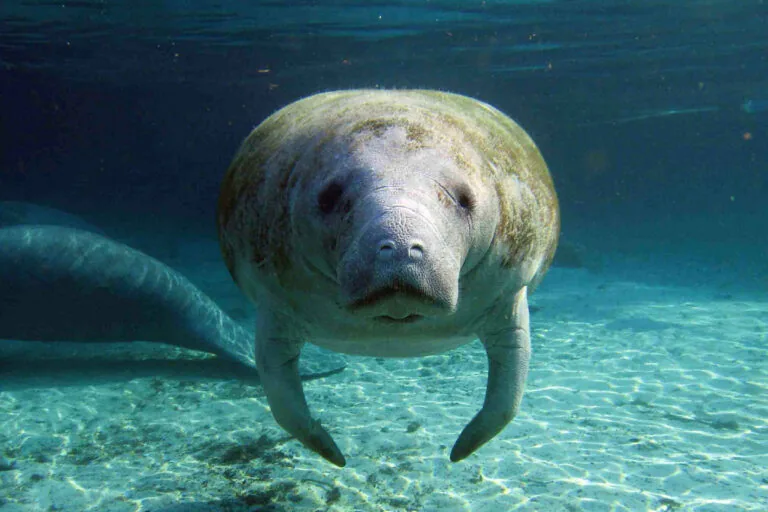
The distinction between harming an animal and destroying the habitat it needs does not reflect how wildlife survives. A manatee can starve if dredging and coastal development destroy the seagrass on which it feeds. An ocelot can lose the dense thornscrub on which the remaining South Texas population depends.
Salmon may survive the machinery that alters a river, then fail to reproduce because the changed river no longer supports spawning. Ocelot. Photo by Rhett Ayers Butler…This article was originally published on Mongabay





Comentários (0)
Entre ou cadastre-se para comentar.