September WTI crude oil futures were trading at $92.31 late Thursday, up $10.54 or 12.89% for the week. The contract posted a weekly low at $79.58 before climbing to a weekly high at $92.31. This was not a normal risk-premium rally.
WTI started the week with the Strait of Hormuz already impaired, then gained speed as the market realized Saudi Arabia’s alternate export route through the Red Sea was also under threat. By Thursday, traders were no longer pricing one damaged chokepoint. They were pricing a supply system with fewer ways to move barrels, higher freight costs, tighter fuel markets and no clear path to a ceasefire.
Hormuz Risk Returned to the Forefront The first driver was the worsening U.S.-Iran conflict and the damage it was doing to shipping through Hormuz. Iran’s Revolutionary Guards said the strait was under its control and effectively closed while U.S. military action continued.
That is a direct threat to one of the world’s most important oil transit routes. The market had seen tension around Hormuz before and initially treated it as a problem diplomacy could eventually solve. That view faded as U.S.
strikes continued night after night and Iran answered with threats and attacks around regional shipping. By Thursday, the U.S. military had completed its twelfth straight night of strikes on Iran.
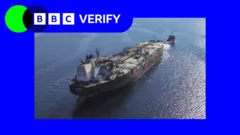
A tanker fire near Oman added to the concern. Iran said the vessel was trying to follow a mined route in southern Hormuz, while two other… September WTI crude oil futures were trading at $92.31 late Thursday, up $10.54 or 12.89% for the week. The contract posted a weekly low at $79.58 before climbing to a weekly high at $92.31.
This was not a normal risk-premium rally. WTI started the week with the Strait of Hormuz already impaired, then gained speed as the market realized Saudi Arabia’s alternate export route through the Red Sea was also under threat. By Thursday, traders were no longer pricing one damaged chokepoint.
They were pricing a supply system with fewer ways to move barrels, higher freight costs, tighter fuel markets and no clear path to a ceasefire. Hormuz Risk Returned to the Forefront The first driver was the worsening U.S.-Iran conflict and the damage it was doing to shipping through Hormuz. Iran’s Revolutionary Guards said the strait was under its control and effectively closed while U.S.
military action continued. That is a direct threat to one of the world’s most important oil transit routes. The market had seen tension around Hormuz before and initially treated it as a problem diplomacy could eventually solve.
That view faded as U.S. strikes continued night after night and Iran answered with threats and attacks around regional shipping. By Thursday, the U.S.
military had completed its twelfth straight night of strikes on Iran. A tanker fire near Oman added to the concern. Iran said the vessel was trying to follow a mined route in southern Hormuz, while two other tankers turned back.
Whether every claim is confirmed immediately is not the main issue for crude traders. Tanker owners, insurers and refiners react to the risk of a route becoming unusable before the physical supply loss is fully measured.







Comentários (0)
Entre ou cadastre-se para comentar.